Table of Contents
What Is Cane Corso Ear Cropping?
Ear cropping is a surgical procedure where a portion of a dog’s ear flap (pinna) is removed and the remaining ear is taped and posted to stand upright as it heals. For the Cane Corso, ear cropping has been part of the breed’s traditional appearance for centuries — originally done to protect working dogs from injury while guarding livestock and property. See available puppies
Today, ear cropping is an elective cosmetic procedure. It’s legal in the United States and is recognized by the American Kennel Club as part of the Cane Corso breed standard, though the AKC also accepts natural (uncropped) ears in the show ring.
As a breeder in Ohio, we get questions about ear cropping from almost every new puppy buyer. This guide covers everything you need to know to make an informed decision.
Cane Corso Ear Cropping Styles
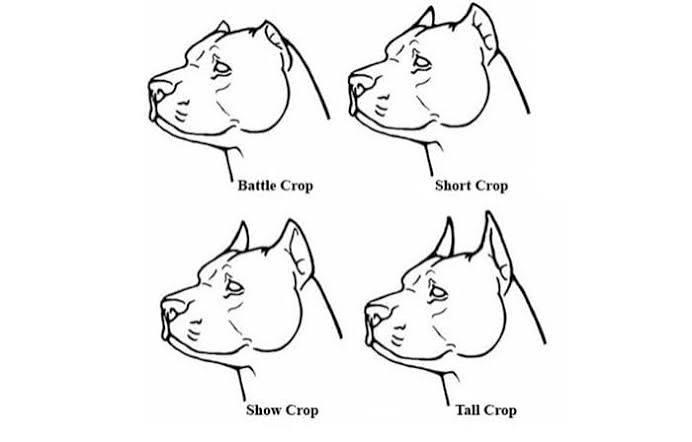
There are several ear cropping styles commonly used for Cane Corsos. The style you choose affects the final look and the length of the healing process.
Short Crop
The short crop removes about two-thirds of the ear flap, leaving a short, pointed ear that stands tall. This is the most popular style for Cane Corsos and gives the breed its classic alert, powerful look. The shorter length means less posting time and a higher success rate for ears standing on their own.
Show Crop
The show crop is slightly longer than the short crop, leaving a bit more ear length for a more refined appearance. This style is common among owners who plan to show their Cane Corso in AKC conformation events. It requires more posting time and careful aftercare to ensure both ears stand evenly.
Battle Crop
The battle crop is the shortest option, removing most of the ear flap and leaving very little ear remaining. This was the traditional working crop used for guard dogs. While it heals the fastest, some owners find it too extreme for a family dog.
Long Crop
The long crop leaves the most ear length, creating a taller, more elegant look. This style is less common for Cane Corsos because the extra length makes it harder for the ears to stand consistently. It also requires the longest posting period
When Should You Crop a Cane Corso’s Ears?
The ideal age for ear cropping is between 8 and 12 weeks old. At this age, the ear cartilage is still thin and pliable, which means:
- The surgery is less invasive
- Healing is faster
- The ears are more likely to stand properly
- The puppy experiences less discomfort
Cropping after 12 weeks is possible but becomes increasingly difficult as the cartilage thickens. Most veterinarians who specialize in ear cropping will not perform the procedure on puppies older than 16 weeks because the success rate drops significantly.
If you’re planning to crop your Cane Corso’s ears, discuss timing with your breeder before you bring your puppy home. Many breeders — ourselves included — can coordinate the procedure before pickup so the initial healing happens while the puppy is still in our care.
How Much Does Cane Corso Ear Cropping Cost?
Ear cropping costs vary depending on your location, the veterinarian’s experience, and the style of crop. Here’s what you can expect to pay in 2026:
- Average cost: $200–$600
- Low end: $150 (general practice vet, basic crop)
- High end: $600+ (specialist or board-certified surgeon)
The cost typically includes the surgery, anesthesia, pain medication, and the first follow-up visit. Additional costs may include:
- Posting supplies (tape, foam rods, adhesive): $20–$50 over the posting period
- Follow-up vet visits for re-posting: $30–$75 per visit
- Antibiotics if prescribed: $15–$30
Total cost including aftercare usually falls between $250 and $700.
Finding a Qualified Veterinarian
Not every veterinarian performs ear cropping, and experience matters a great deal. A poorly done crop can result in uneven ears, excessive scarring, or ears that never stand properly. Here’s what to look for:
- Experience with bully breeds — A vet who regularly crops Cane Corsos, Pit Bulls, Dobermans, or Great Danes will understand the specific proportions and angles that look right on each breed.
- Before and after photos — Ask to see healed results, not just fresh post-surgery photos. You want to see what their crops look like at 6–12 months.
- Breeder referrals — Ask your breeder who they recommend. Most experienced breeders have a go-to vet for crops and can point you in the right direction.
- Willingness to discuss styles — A good crop vet will talk through the different styles with you and help you choose based on your dog’s ear shape and head structure.
If you’re in Ohio, we can recommend veterinarians in the area who specialize in Cane Corso ear cropping. Contact us and we’ll share our referral list.
The Ear Cropping Procedure
Here’s what to expect on the day of surgery:
- Pre-surgical exam — The vet checks your puppy’s overall health, weight, and ear structure.
- Anesthesia — The puppy is placed under general anesthesia for the procedure.
- Marking and cutting — The vet marks the desired crop line on each ear, then removes the excess ear flap with a scalpel or surgical scissors.
- Suturing — The edges are sutured with dissolving or removable stitches.
- Initial posting — The ears are cleaned, medicated, and taped to a foam or plastic support to begin the standing process.
- Recovery — The puppy wakes up from anesthesia and is monitored before going home, usually the same day.
The entire procedure takes about 30–45 minutes.
Read more about Ear Cropping insurance Policy
Aftercare and Healing Timeline
Proper aftercare is the most important part of a successful ear crop. The surgery itself takes less than an hour, but the posting and healing process takes weeks to months.
Week 1–2: Initial Healing
- Keep the surgical site clean and dry
- Administer pain medication and antibiotics as prescribed
- Use an e-collar (cone) to prevent scratching
- Watch for signs of infection: redness, swelling, discharge, or foul odor
Week 2–3: Suture Removal
- Sutures are removed at the vet’s office (if not dissolving)
- Ears are re-posted after suture removal
- The posting process officially begins in earnest
Week 3–12: Posting Period
- Ears must be posted (taped upright to a support) to train the cartilage to stand
- Posts are changed every 5–7 days or whenever they get wet or loose
- During each change, clean the ears and let them breathe for a few hours before re-posting
- Some puppies need posting for 4–6 weeks; others may take up to 12 weeks
Month 3–6: Final Standing
- Once ears stand consistently on their own for 2+ weeks without posts, you’re done
- Some ears need occasional re-posting if they start to droop during teething (4–6 months)
- By 6 months old, most properly cropped ears are standing permanently
Cropped vs. Natural Ears: Pros and Cons
This is a personal decision, and there’s no wrong answer. Here’s an honest comparison:
Reasons to Crop
- Traditional breed appearance that many Cane Corso owners prefer
- Reduced risk of ear infections (better airflow into the ear canal)
- Less chance of ear injuries for working or active dogs
- Meets the AKC breed standard for conformation showing
Reasons to Leave Natural
- No surgery, no recovery period, no aftercare commitment
- No risk of surgical complications
- Natural ears are fully accepted in the AKC show ring
- Some states and countries are moving toward banning cosmetic cropping
At Ruben Cane Corso, we support our puppy buyers whether they choose to crop or keep natural ears. We’re happy to help coordinate the procedure if you decide to crop, and we’re equally supportive if you prefer the natural look.
Frequently Asked Questions
Does ear cropping hurt?
The procedure is done under general anesthesia, so the puppy doesn’t feel pain during surgery. Post-surgical discomfort is managed with pain medication for the first few days. Most puppies are back to normal activity within 24–48 hours.
Can I crop my Cane Corso’s ears at any age?
The recommended window is 8–12 weeks. After 16 weeks, most vets won’t perform the procedure because the cartilage is too thick for the ears to stand reliably. Adult ear cropping is not recommended.
What if one ear stands and the other doesn’t?
This is usually a posting issue, not a surgical one. Continue posting the drooping ear and give it more time. During teething, ears that were standing may temporarily flop — this is normal and they’ll usually come back up once teething is done.
Is ear cropping legal?
Ear cropping is legal in all 50 U.S. states. It is banned or restricted in many other countries, including most of Europe, Australia, and parts of Canada. The American Kennel Club and the American Veterinary Medical Association have different positions on the practice — the AKC supports it as part of breed standards, while the AVMA opposes cosmetic ear cropping.
Talk to Us About Ear Cropping
If you’re buying a Cane Corso puppy from us and want to discuss ear cropping, we’re here to help. We can recommend experienced veterinarians in Ohio, advise on styles, and even coordinate the procedure before your puppy comes home.
- Phone: (216) 243-7463
- Email: info@rubencanecorsoguest.com
Contact us with any questions, or browse our available Cane Corso puppies to find your next family member.